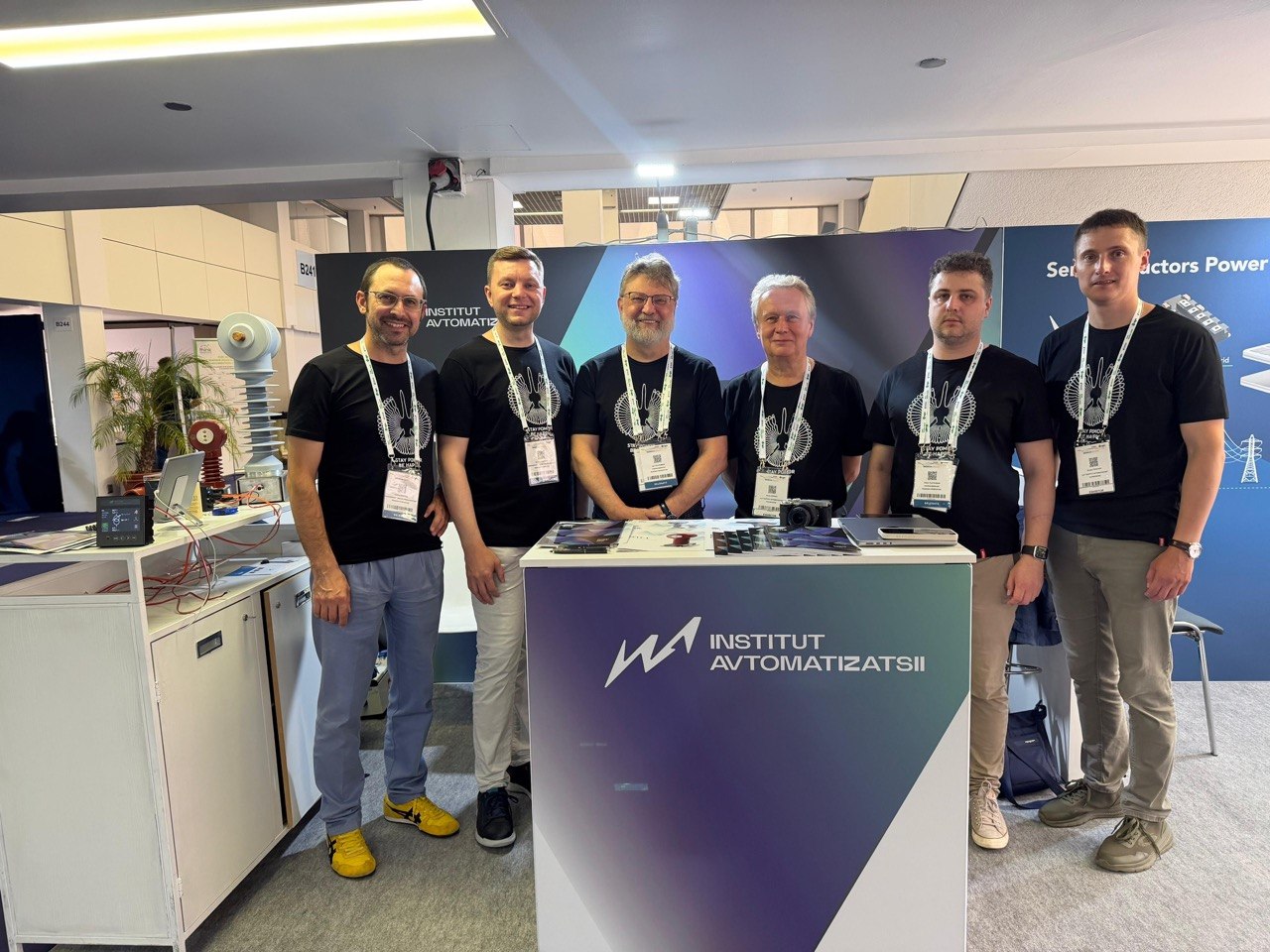
ENS (Engineering Center Energoservice) showcased its updated ECIT series of digital combined current and voltage instrument transformers for medium-voltage applications at the technical exhibition of the 51st CIGRE Session in Paris.
ECIT introduces a new approach to digital substation architecture by integrating a comprehensive set of protection and automation functions directly into the digital instrument transformer. This brings protection capabilities closer to the primary equipment and opens up new possibilities for implementing Process Interface Equipment (PIE) in IEC 61850-based substations.
The ECIT series covers a range of configurations for both AIS and GIS switchgear, with solutions for indoor and outdoor installation. As PIE, ECIT devices provide digital measurement and process-level data exchange, including the publication of Sampled Values (SV) and synchrophasor (SP) streams.
ECIT integrates a comprehensive set of protection functions, including phase voltage-controlled time-directional overcurrent protection, instantaneous overcurrent protection with inrush current blocking, directional earth-fault protection, under- and overvoltage protection, current unbalance protection, arc-flash protection, busbar blocking logic and breaker failure protection. The devices also support dead-line and live-line detection, multiple protection setting groups, fault recording and fault detection.
In addition to protection, ECIT supports a range of automation functions, including automatic reclosing, automatic underfrequency load shedding with automatic restoration following frequency recovery, and automatic transfer switching.
The integrated protection functions make ECIT particularly relevant to modern centralized protection architectures based on vPAC. They can serve as a backup protection layer, complementing centralized vPAC functions while retaining protection capabilities at the process level.
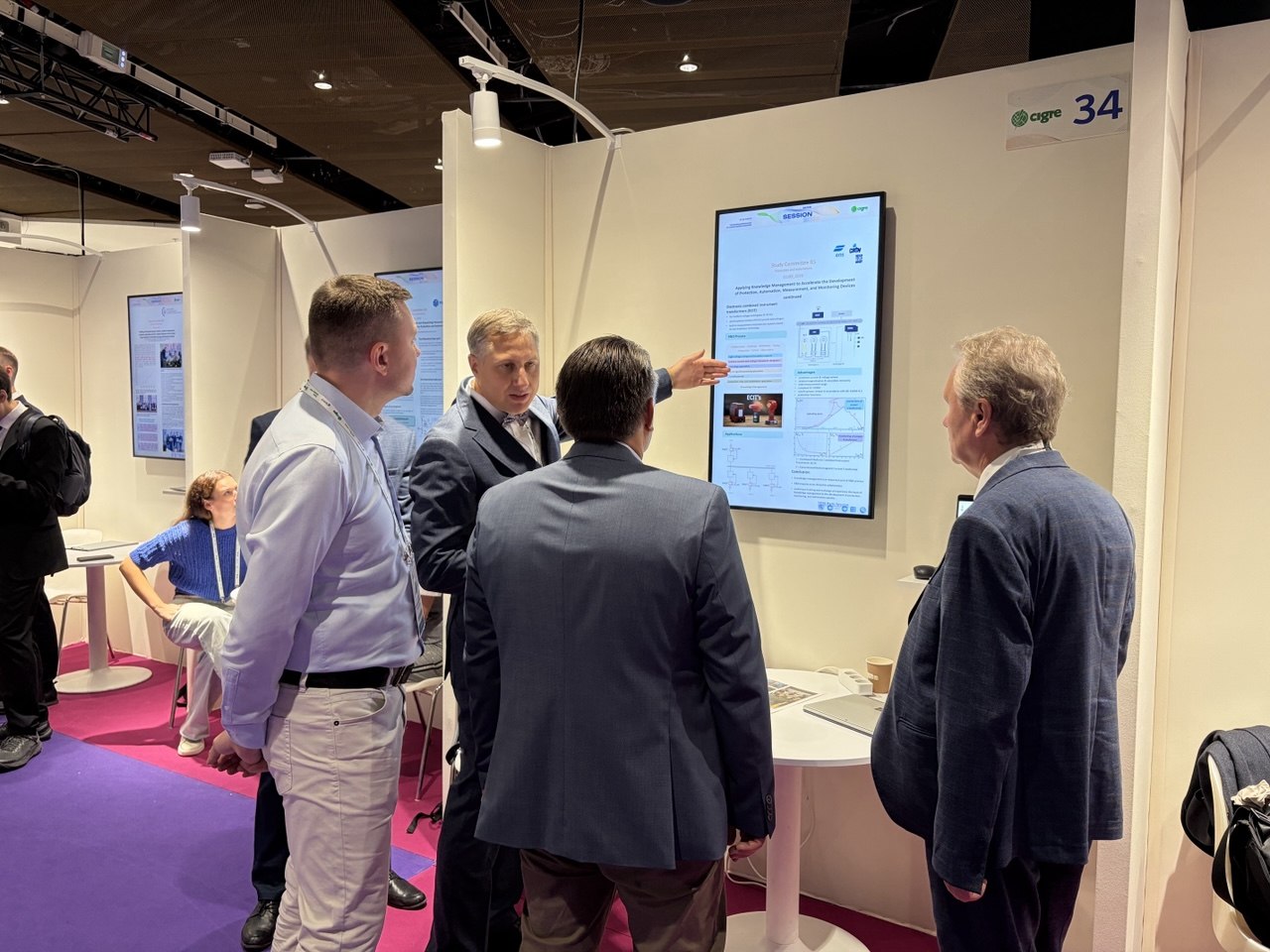
The presentation at the CIGRE Paris Session provided an opportunity to introduce the latest ECIT developments to the international power engineering community and discuss practical approaches to implementing protection and automation functions at the PIE level.